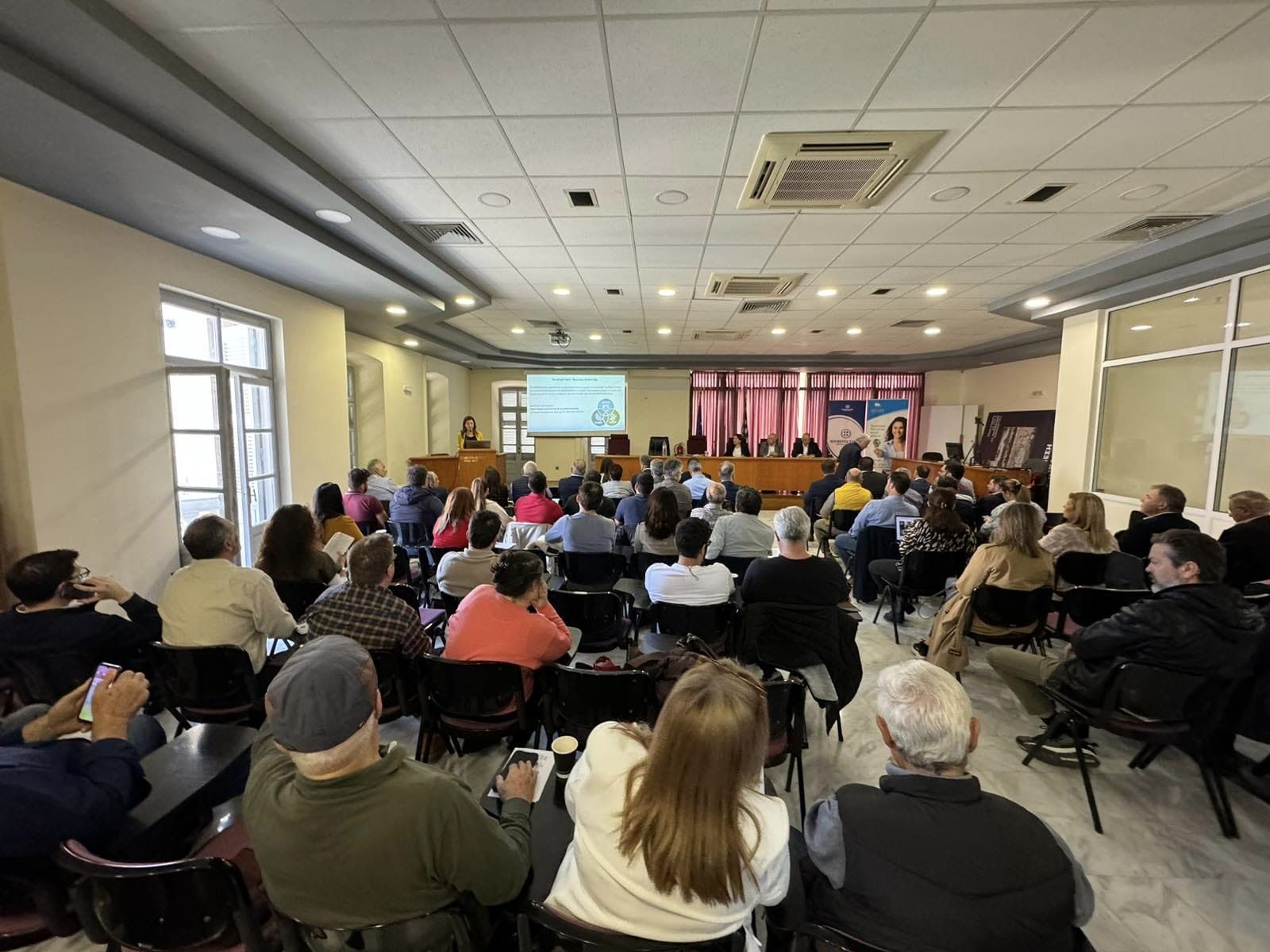
In a historic gathering, five institutions of Crete, mayors, members of parliament, and numerous active citizens met on Saturday, March 30, to discuss Crete’s energy challenge at a time when the stakes of the transition from fossil fuels to renewable energy sources are high and decisive for the future of the next generations.

The Region of Crete, the Technical Chamber of Greece – Eastern Crete Department (host of the event), the Heraklion Chamber of Commerce & Industry, the Geotechnical Chamber of Greece – Crete Branch, and of course the Minoan Energy Community, which conceived and organized this important meeting, opened the discussion on how the people of Crete envision the use of the island’s energy resources, guided by sustainability, environmental protection, and fair participation in the development these resources can generate.

It is widely accepted that Crete is an attractive destination not only for its natural beauty and high‑quality products but also for its significant energy potential. And it is the duty of Cretans to safeguard and utilize this potential in a fair way, for the benefit of all.

This was the core message of the opening address by Ms Gialiti, special advisor to the Regional Governor of Crete and member of the Board of Minoan Energy, who moderated the discussion. She emphasized that this is the first time such a broad event on the allocation of energy space on the island has taken place, with the support of Chambers, local authorities, and institutions—something particularly important for a just energy transition toward a fossil‑free economy.

Regional Governor Mr. Arnaoutakis stressed that “renewables alone are not enough. A redesign of the market is needed—one that takes into account energy democracy and justice for the benefit of citizens. We are convinced that the path to the energy transition goes through the fair distribution of energy space on our island.” He concluded by saying: “In any case, the energy transition must be carried out with society as an ally, because anything done without society is doomed to fail. The Administration must also contribute to this effort. We are convinced that Energy Communities, as collective initiatives for society, must have strong incentives such as licensing priority, state subsidies, guarantees for financing virtual net‑metering projects, and other advantages.”

Mr. Giannopoulos, President of Minoan Energy, after thanking the Region of Crete for its example through participation in the Community and the Technical Chamber for its interventions as the state’s technical advisor, highlighted the problem of insufficient energy infrastructure, which has led to horizontal curtailments of renewable energy production—even for vulnerable social groups. He then referred to a series of distortions in the institutional framework for Energy Communities, which instead of being protected are being undermined, resulting in the creation of virtual communities at rates reaching up to 95%. He emphasized the need to prioritize the implementation of renewable energy projects by Energy Communities over large private companies, which ultimately occupy hundreds of times more energy space than collective schemes.

Mr. Tavernarakis, President of TEE‑TAK, stated that the EU’s 2050 targets favor the development of renewables; however, their penetration in Greece’s energy mix has not reduced costs for consumers. At the same time, the inability to obtain connection terms and the disorderly siting of renewable projects have led to a decline in renewable energy production in Crete. He presented several proposals, including prioritizing broad‑based Energy Communities, accelerating licensing, canceling large private wind farms, subsidizing municipalities for net‑metering projects, promoting pumped‑storage and hydrogen projects, and utilizing biomass for energy production.

Mr. Kegeroglou, Mayor of Minoa Pediadas, spoke about powerful private interests seeking to control Crete’s energy space while citizens are offered social electricity tariffs. He stressed the need for both municipalities and citizens to gain the ability to produce energy in order to reduce the inequalities that characterize Greek society. Finally, he called on the Region to use its influence to halt the implementation of large private energy projects in Crete.

Deputy Regional Governor for Environment Mr. Xylouris emphasized the need for strong and comprehensive documentation in decisions related to renewable energy projects by private companies, so that they do not collapse later in court. He also highlighted the Region’s commitment to ensuring that energy space is used for the benefit of Crete’s citizens.

The Mayor of Archanes–Asterousia, Mr. Kokosalis, firmly opposed the development of large private wind farms on Crete’s mountains and stressed the need for coordination between municipalities and the Region.

Mr. Alifierakis, President of the Heraklion Chamber of Commerce & Industry, expressed the desire of businesses to participate in the energy transition, while Mr. Koutentakis, President of the Energy Community created by the Chamber, highlighted the challenges they faced in implementing their project. Despite the difficulties, he noted that the business community wants to be part of the solution by creating products and services with a low energy footprint.

Ms. Daskalaki, President of the Geotechnical Chamber of Crete, stressed the need for the agricultural sector to participate in the energy transition discussion. She also emphasized the need for training and informing farmers, as well as redesigning rural development programs to support renewable energy investments in the primary sector.

A more pessimistic view was expressed by MP and head of the energy sector of PASOK‑KINAL, Mr. Parasyris.According to him, Crete’s energy space has already been occupied by just two private companies following a political decision to meet the ambitious targets of the National Energy and Climate Plan by 2030. As a result, citizens received less than 3% of the grid’s capacity. Furthermore, the “Apollon” program, as currently designed, does not create a community of producers—as it should—but a community of consumers in which the Region, municipalities, and vulnerable groups will buy supposedly cheap energy through bilateral contracts with large producers. He concluded by describing a major injustice that has taken place in Crete, which cannot be solved politically but only through a collective social response.

The final speaker was Professor Katsaprakakis, of the Hellenic Mediterranean University and founding member of Minoan Energy. He emphasized that Crete has one of the highest‑quality wind energy potentials in the world, and in terms of solar energy it can easily compare with Middle Eastern countries. Combined with the island’s abundant biomass, clean energy production could become Crete’s most important product. He highlighted the impacts—on both the environment and human life—of large‑scale wind projects, which due to their size cannot be effectively controlled. These projects ultimately slow down renewable energy penetration due to strong social reactions and infrastructure saturation, resulting in their non‑implementation. He stressed that they represent the greatest economic and social threat to future generations. He added that Crete’s scientific personnel—at the Universities, the Technical University, and the Foundation for Research and Technology—are capable of identifying both the type and location of renewable projects that would make the island energy‑autonomous. He pointed to Minoan Energy as an example of a truly just energy transition and urged participants to reflect on their responsibility, recalling Thucydides’ saying: “We must choose between being free or being at ease. We cannot be both.”

Citizens’ interventions followed, highlighting the need to repeat similar events in municipalities across Crete, with citizen participation, to strengthen the collective voice demanding that the island’s energy wealth be allocated primarily to its residents.

The event concluded with the reading of a joint text summarizing the decisions and demands of the institutions and active citizens of Crete on the critical issue of the energy transition and the allocation of the island’s energy space. The summary text is available here and the related press release is available here

It should be noted that the event took place within the framework of the EU‑funded Horizon 2020 project WENDY of the Minoan Energy Community.
March concludes with a highly significant and deeply honorable distinction for Minoan Energy!

Our Community received the “Contribution to the Promotion of Renewable Energy” award as part of the Greek Green Awards 2024, organized by Ecotec magazine.

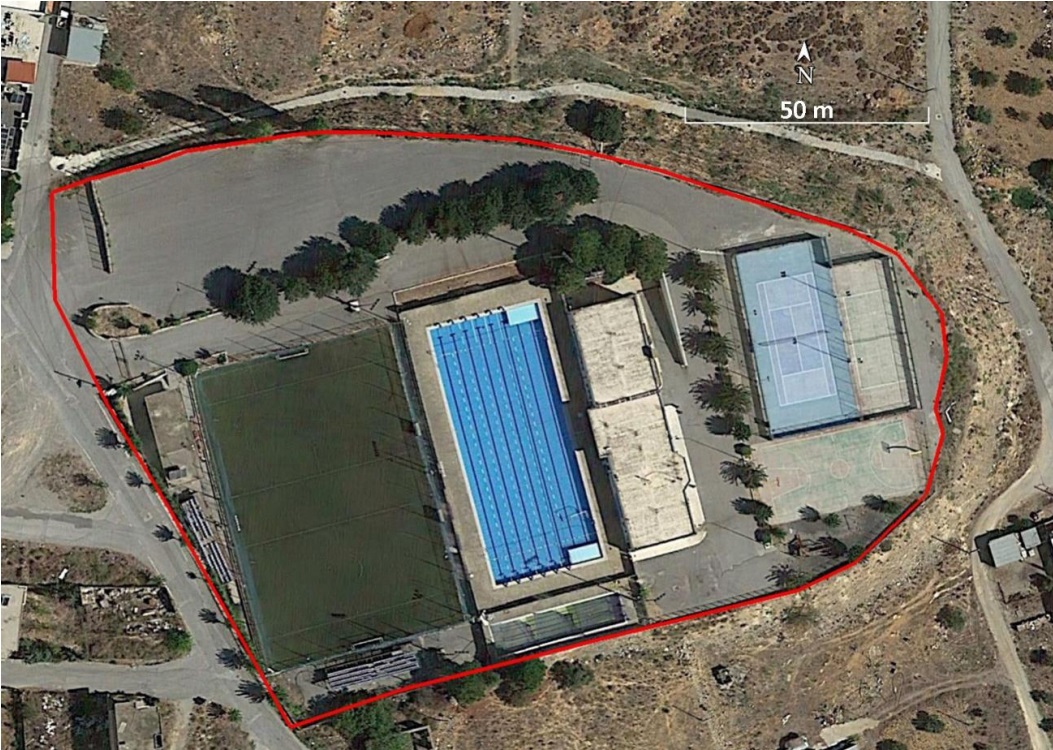
Minoan Energy participated in the competition with two submissions, one highlighting our virtual net‑metering photovoltaic projects, which now include more than 770 connected consumers, and another, jointly with the Municipality of Minoa Pediadas, presenting the SAVE project, which focuses on the energy upgrade of the Municipality’s Swimming Pool and Indoor Gym in Arkalohori.

The aim of the Greek Green Awards 2024 is to showcase best practices in environmental protection, circular economy, and climate‑change mitigation, emphasizing the use of green innovation and technology.

Winners are selected by a specialized scientific committee that evaluates all submissions and identifies organizations, local‑government bodies, and businesses that place scientific knowledge and technological innovation at the service of the environment through the projects, products, and solutions they develop.

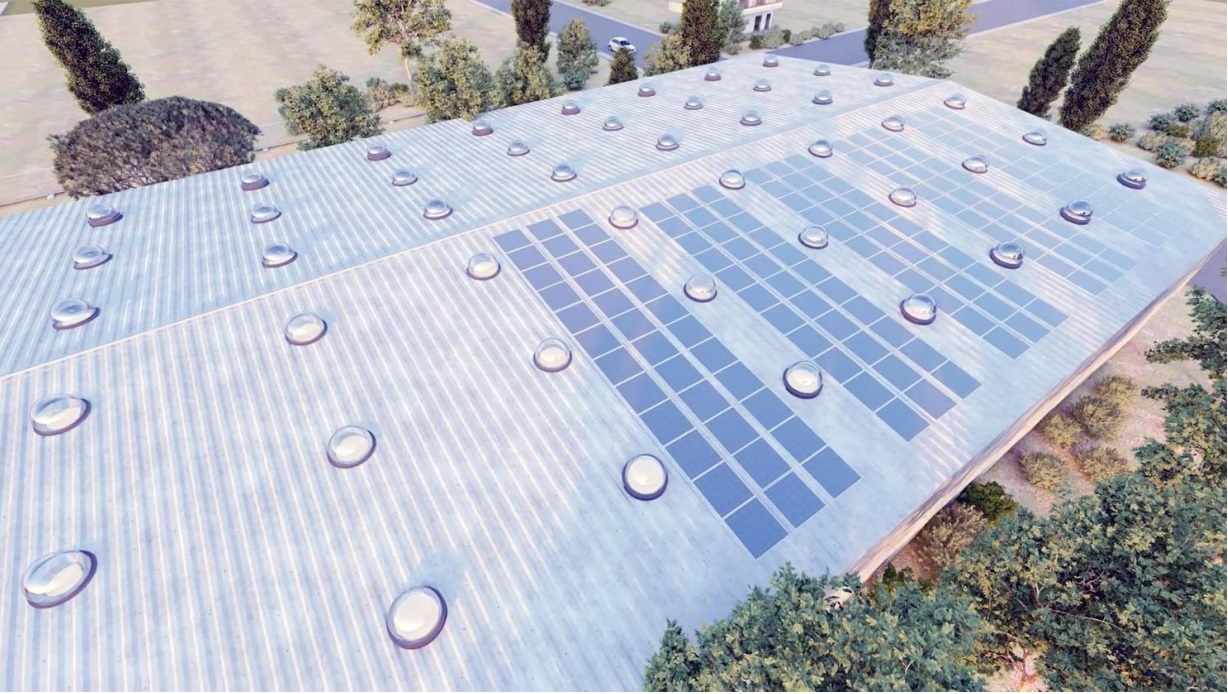
In its reasoning, the committee noted that our Community and the Municipality of Minoa Pediadas contribute to the promotion of renewable energy both through the collective virtual net‑metering photovoltaic projects and through the Sustainable Actions for Viable Energy (SAVE) initiative, which includes the design—at application level—of the first smart electricity grid in Crete.

The award ceremony will take place at MEC Paiania, on Friday, 29 March at 17:30, within the framework of the 6th International Exhibition Verde.tec, dedicated to environmental technologies, circular economy, and smart cities.

Στην καθιερωμένη μηνιαία συνάντηση του έργου Life Local Ownership Of Power (Life LOOP) συμμετείχαν τα στελέχη της Μινώα Ενεργειακής. Η συνάντηση, που πραγματοποιήθηκε διαδικτυακά στις 14 Μαρτίου, είχε στόχο αφενός την ενημέρωση των συμμετεχόντων εταίρων για την πορεία των εργασιών του τελευταίου διαστήματος, και αφετέρου το συντονισμό και το χρονισμό των επόμενων ενεργειών.

Η Μινώα Ενεργειακή, ενημέρωσε τους εταίρους για την ένταξη στην Κοινότητά μας ακόμα δύο Δήμων της Κρήτης, του Δήμου Οροπεδίου Λασιθίου και του Δήμου Ρεθύμνης, αλλά και για τις συναντήσεις με τους Δημάρχους και τα στελέχη των υπό ένταξη Δήμων Ανωγείων και Σητείας. Ενημέρωσε ακόμα για την πορεία υλοποίησης του φωτοβολταϊκού σταθμού ισχύος 1MV στην Πάτρα, και για τις τέσσερις ενημερωτικές ημερίδες που οργάνωσε και πραγματοποίησε με αντικείμενο το θεσμό των ενεργειακών κοινοτήτων.

Ειδική αναφορά έγινε στο Πρόγραμμα Πιστοποίησης Κοινοτικής Ενέργειας LIFE LOOP το οποίο δίνει όχι μόνο κίνητρα αλλά και εργαλεία στους ενδιαφερόμενους δήμους να προωθήσουν ένα κοινωνικά δίκαιο και φιλικό προς το κλίμα τοπικό ενεργειακό σύστημα, με τις ανανεώσιμες πηγές ενέργειας και τον άνθρωπο στο πυρήνα του.

Αρχικά αξιολογείται ο βαθμός υποστήριξης του συμμετέχοντα δήμου στις Ενεργειακές Κοινότητες, στη συνέχεια ενθαρρύνεται η συμμετοχή των στελεχών του σε σχετικά εκπαιδευτικά σεμινάρια, και τέλος, με τη βοήθεια ενός ειδικού εργαλείου, καταγράφονται τα δημοτικά ακίνητα (δημοτική γη, ακίνητα, στέγες) που είτε χρήζουν ενεργειακής αναβάθμισης, είτε μπορούν να αξιοποιηθούν ενεργειακά. Έτσι, ο δήμος, ως κάτοχος περιουσιακών στοιχείων, μπορεί να αναζητήσει ανάμεσα στους τοπικούς φορείς, συνεργάτες για την αξιοποίησή τους. Οι δήμοι που επιδεικνύουν διορατικότητα σε θέματα κοινοτικής ενέργειας, έχουν τη θεσμική υποστήριξη δύο αναγνωρισμένων οργανισμών, του Ευρωπαϊκού Δικτύου Πόλεων Energy Cities και της Ευρωπαϊκής Ομοσπονδίας Ενεργειακών Συνεταιρισμών REScoop.eu, ενώ λαμβάνουν και σχετική πιστοποίηση.

It is with great joy and honor that we inform you of the participation of the historic Municipality of Rethymno in the Minoan Energy Community, following the relevant decision of its Municipal Council.

The Municipality of Rethymno thus becomes the 7th municipal member of our Community—and the 2nd Regional Unit capital of Crete to join, after the Municipality of Agios Nikolaos.

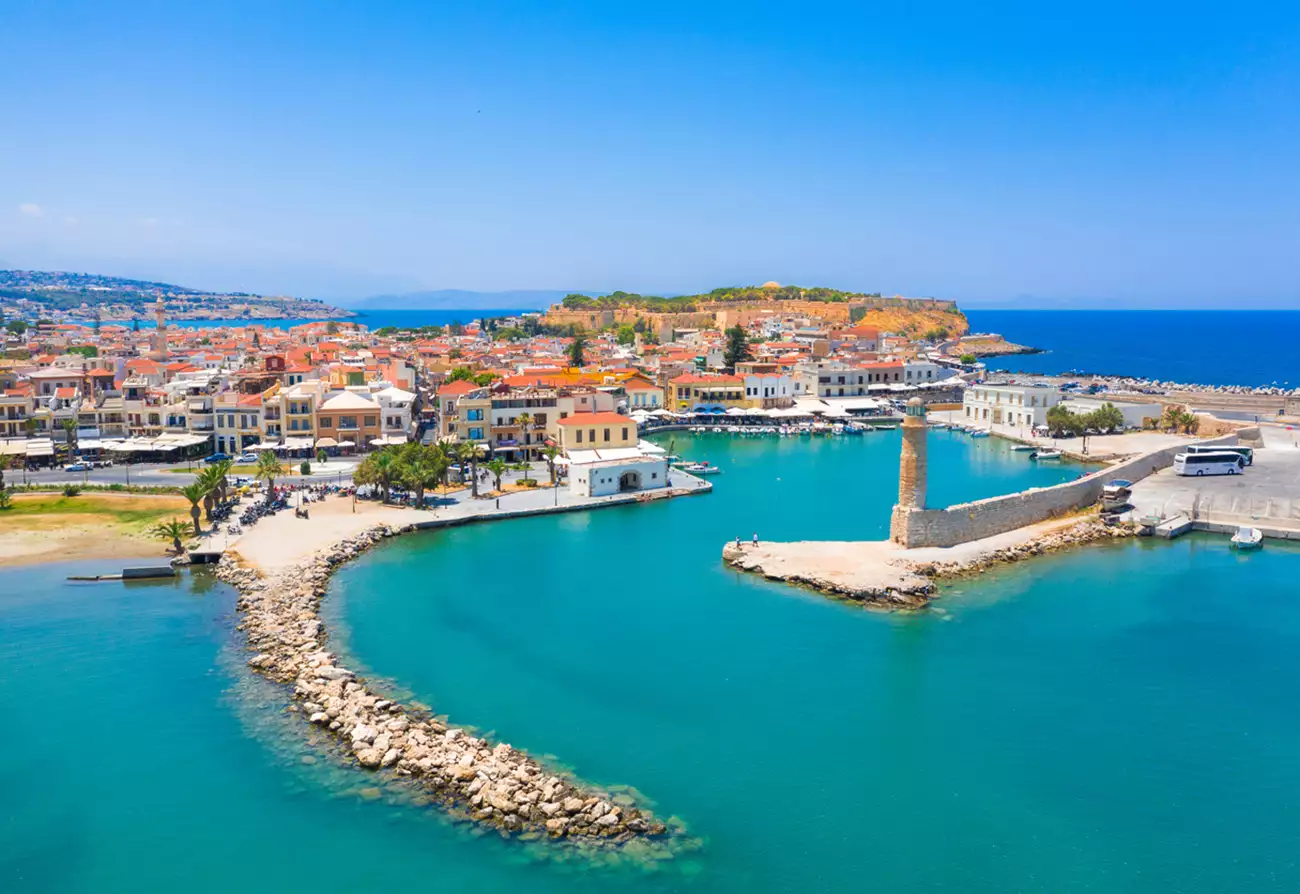
Rethymno, with its long history, numerous monuments, picturesque alleys, vibrant tourism activity, and the presence of the University, moves forward with its gaze set on the future while preserving the memory of its past.

Minoan Energy gains a significant ally in its effort to promote energy democracy in Crete, ensuring that all its citizens benefit from the island’s renewable‑energy potential.

It is worth noting that within the framework of the Life Local Ownership Of Power (Life LOOP) project, in which Minoan Energy participates, a comprehensive energy‑upgrade study will be prepared for a municipal building designated by the Municipality. This study will be complete and ready for implementation—at the level of final application design and tender documents—without any financial burden on the citizens.

We extend our warm thanks to the Mayor of Rethymno, Mr. Marinakis, and Deputy Mayors Mr. Spanoudakis and Mr. Papadogiannis for their immediate acceptance of our invitation and for their contribution to the swift completion of the process.

Our scientific team continues discussions with mayors across Crete at a rapid pace, and we expect to welcome additional municipalities to our Community very soon.

The growing support for Minoan Energy—both from the municipalities of Crete and from its citizens, who now exceed 1,000 registered members—fills us with optimism and reinforces our strong sense of responsibility to meet their expectations.


Mε τους Δήμους Αγίου Νικολάου και Οροπεδίου Λασιθίου να έχουν ενταχθεί ήδη στο δίκτυο της ενεργειακής κοινότητας Μινώα Ενεργειακή και την πρόσφατη έγκριση από την ΕΕ ενός μεγάλο έργου με τίτλο Cretan Valley που προβλέπει έργα προϋπολογισμού 20 εκατ. στην ανατολική Κρήτη, η μη κερδοσκοπική Κοινότητα προσπαθεί να επεκταθεί και στους Δήμους Ιεράπετρας και Σητείας.

Την περασμένη Παρασκευή και Σάββατο έγιναν ενημερωτικές ημερίδες σε Σητεία και Ιεράπετρα αντίστοιχα στο πλαίσιο της συνεργασίας της Μινώα Ενεργειακή με την Περιφέρεια Κρήτης για την παροχή διευκολύνσεων σε ευάλωτες κοινωνικές ομάδες και ομάδες μέσω της μείωσης του ενεργειακού κόστους.

Ο πρόεδρος της Μινώα Ενεργειακή μίλησε στο Ράδιο Λασίθι παρουσιάζοντας τις τελευταίες δράσεις της κοινότητας η οποία όπως λέει είναι ήδη η μεγαλύτερη της χώρας έχοντας ξεπεράσει τα 1.000 μέλη τα οποία συνεχώς αυξάνονται.

Στα μέλη μπορούν να ενταχθούν τόσο πολίτες όσο και Δήμοι με τον κ. Γιαννόπουλο να αναφέρει πως οι Δήμοι έχουν το προνόμιο πως μπορούν να ενταχθούν σε όσες ενεργειακές κοινότητες θέλουν ή να ιδρύσουν και δικές τους. Σε ό,τι αφορά μεμονωμένους πολίτες η επιχειρήσεις αυτοί μπορούν να εγγραφούν ανά πάσα στιγμή αγοράζοντας όσες μερίδες επιθυμούν οι οποίες εκτώς των άλλων τους εξασφαλίζουν το δικαίωμα συμμετοχής στις γενικές συνελεύσεις αλλά και εκλογής ενώ ανεξάρτητα από το αριθμό μερίδων που αγοράζουν όλοι έχουν από μια ψήφο ώστε να υπάρχει ισοτιμία στις αποφάσεις που παίρνονται.

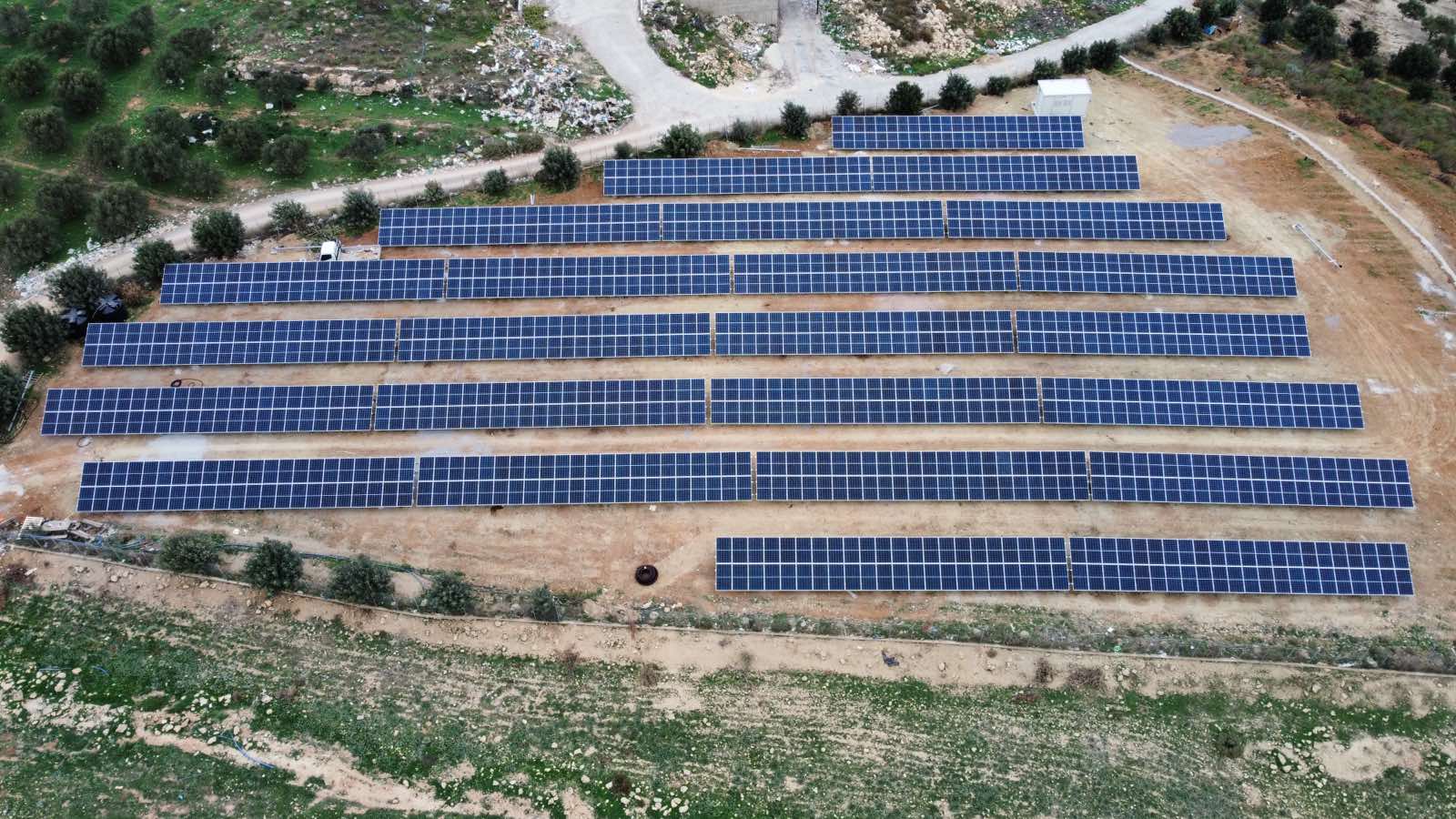
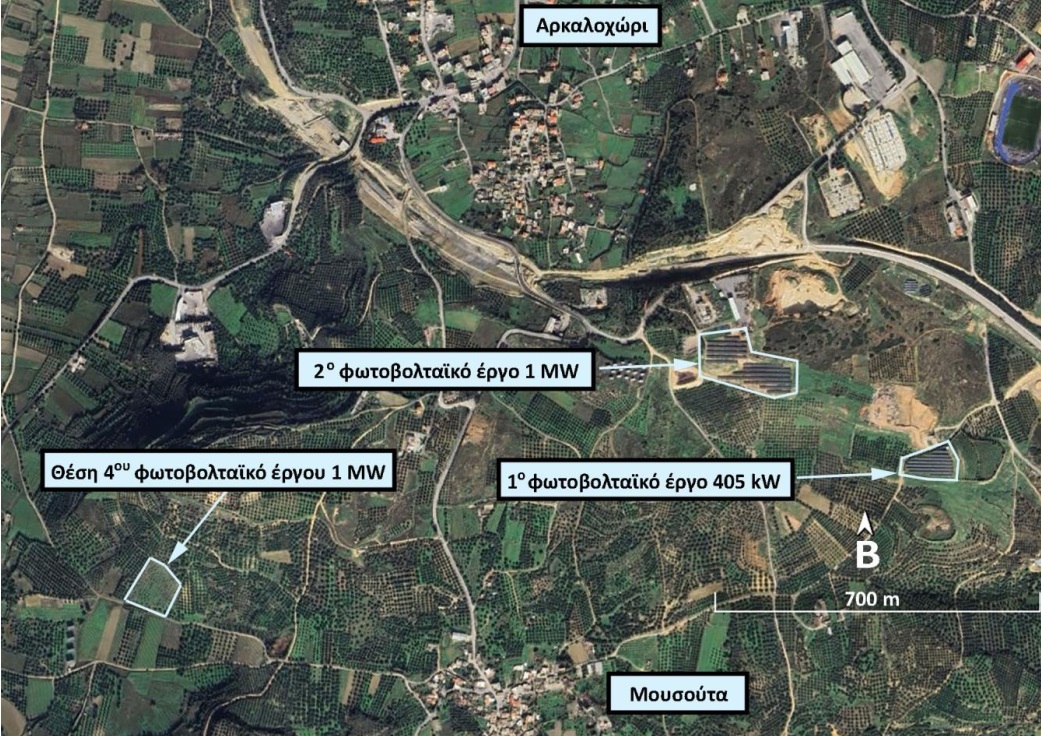
Τελικός σκοπός είναι η μείωση του κόστους της ενέργειας μέσω των έργων ΑΠΕ που κατασκευάζει η Κοινότητα, τα οφέλη των οποίων καταλήγουν στα μέλη. Ήδη έχουν ολοκληρωθεί και λειτουργούν τα δύο πρώτα φωτοβολταϊκά πάρκα στο Αρκαλοχώρι (με περίπου 300 άτομα να ωφελούνται από το κάθε ένα), το τρίτο βρίσκεται προς το τέλος του, το τέταρτο είναι έτοιμο να ξεκινήσει να κατασκευάζεται και έχουν δρομολογηθεί οι ενέργειες για την κατασκευή του 5ου έργου για το οποίο γίνονται και εγγραφές.

Ενδεικτικά ο κ. Γιαννόπουλος ανέφερε πως μια τετραμελής οικογένεια με ένα σπίτι 120 τετραγωνικών θα μπορούσε να πληρώσει ένα εφάπαξ ποσό κοντά στις 3.000 ευρώ αγοράζοντας την ενέργεια που καταναλώνει και στη συνέχεια δεν θα ξαναπληρώσει για το ρεύμα που καταναλώνει για τα επόμενα 25 χρόνια, γλιτόνοντας και τα κόστη συντήρησης και ασφάλισης που θα χρειαζόταν αν εγκαθιστούσε φωτοβολταϊκά πάνελ στη στέγη. Παράλληλα θα έχει το πλεονέκτημα να αυξήσει να μειώσει ή να μοιράσει την ενέργεια που έχει αγοράσει οπουδήποτε στην Ελλάδα κάτι που είναι χρήσιμο σε περίπτωση που τα παιδιά της οικογένειας φύγουν για σπουδές.

Ο κ. Γιαννόπουλος τόνισε πως η Μινώα Ενεργειακή αναζητά και εκτάσεις από 6 έως 100 στρέμματα κυρίως στη νότια Κρήτη που έχει μεγαλύτερη ηλιοφάνεια με σκοπό να συνεχίσει τον προγραμματισμό των έργων της για ανάπτυξη έργων ανανεώσιμων πηγών ενέργειας.

Παρακολουθείστε τη συνέντευξη στο κανάλι της Κοινότητας στο YouTube στο here

Το άρθρο είναι διαθέσιμο στο here

Παρακολουθείστε τις πολύ ενδιαφέρουσες συνεντεύξεις που παραχώρησαν τα ιδρυτικά μέλη της Μινώα Ενεργειακής, στην εφημερίδα Σητειακά, μετά τις ενημερωτικές εκδηλώσεις που πραγματοποιήθηκαν την Παρασκευή 1 Μαρτίου και το Σάββατο 2 Μαρτίου σε Σητεία και Ιεράπετρα.

Στόχος των εκδηλώσεων είναι η ενημέρωση για το θεσμό των ενεργειακών κοινοτήτων, μέσω των οποίων, οι πολίτες μπορούν να παράξουν τη δική τους ενέργεια, από ανανεώσιμες πηγές, συμβάλλοντας έτσι στην απεξάρτηση από τα ορυκτά καύσιμα και στην επιτάχυνση της ενεργειακής μετάβασης.

Μπορείτε να διαβάσετε ολόκληρο το άρθρο της εφημερίδας “Σητειακά” here

en_GBEnglish (UK)