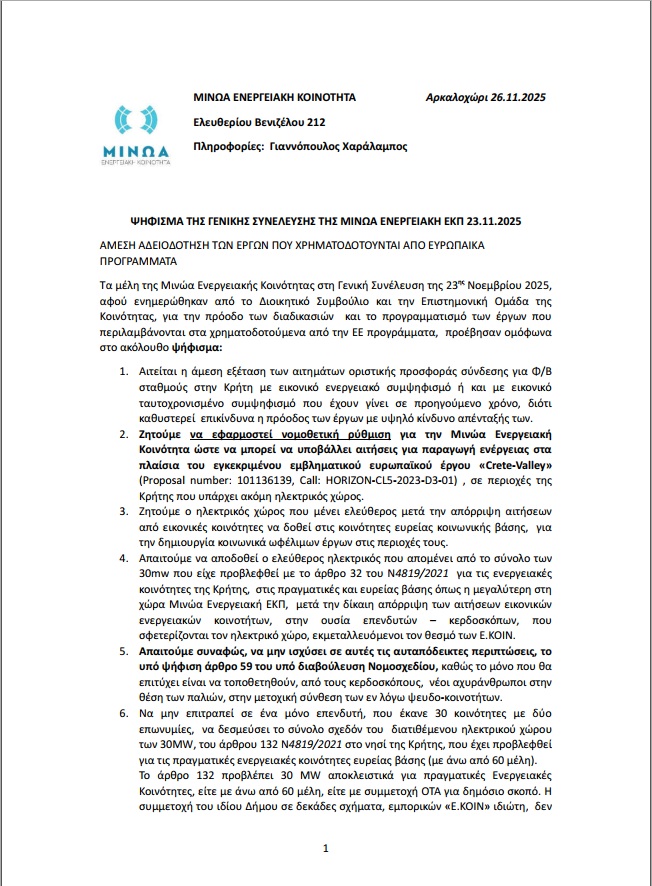
RESOLUTION OF THE GENERAL ASSEMBLY OF MINOAN ENERGY CEC – 23.11.2025

IMMEDIATE LICENSING OF PROJECTS FUNDED BY EUROPEAN PROGRAMS

The members of the Minoan Energy Community, at the General Assembly of 23 November 2025, after being informed by the Board of Directors and the Scientific Team of the Community about the progress of procedures and the planning of the projects included in the EU‑funded programs, unanimously adopted the following resolution:

  1. We request the immediate review of the pending applications for final connection offers for PV stations in Crete with virtual net‑metering or virtual simultaneous net‑metering submitted in previous periods, as project progress is dangerously delayed, posing a high risk of exclusion from EU funding.
  2.  We request the adoption of a legislative provision for the Minoan Energy Community, enabling it to submit applications for energy production within the framework of the approved flagship European project “Crete‑Valley” (Proposal number: 101136139, Call: HORIZON‑CL5‑2023‑D3‑01), in areas of Crete where electrical capacity is still available.
  3.  We request that any energy space freed after the rejection of applications from virtual communities be allocated to broad‑based social energy communities, so they may develop socially beneficial projects in their regions.
  4.  We demand that the remaining available electrical capacity from the total 30 MW foreseen under Article 32 of Law 4819/2021 for the energy communities of Crete be allocated to genuine, broad‑based communities—such as Minoan Energy CEC, the largest in the country—following the fair rejection of applications from virtual energy communities which, in essence, represent investors/speculators exploiting the energy communities framework to appropriate energy space.
  5.  We further demand that, in these self‑evident cases, the pending Article 59 of the draft bill under consultation not apply, as its only effect would be to allow speculators to replace old figureheads with new ones in the shareholder structure of these pseudo‑communities.
  6.  We request that a single investor, who created 30 communities under two corporate names, not be allowed to monopolize nearly all of the 30 MW of electrical capacity foreseen under Article 132 of Law 4819/2021 for Crete’s genuine broad‑based energy communities (with more than 60 members). Article 132 explicitly reserves 30 MW exclusively for real Energy Communities, either with more than 60 members or with the participation of local authorities for public purposes. The participation of the same municipality in dozens of commercial “energy communities” of a private investor does not constitute a public purpose and is an abusive practice, as it enables the circumvention of the 60‑member requirement and the avoidance of guarantees and other obligations, while allowing the investor to enjoy enormous profits otherwise unattainable.
  7.  Minoan Energy CEC, the largest energy community in the country with 950 members and the only genuine broad‑based energy communities in Crete, is entitled to—and demands—proportionate electrical capacity to ensure the consistent completion of the above projects and the advancement of its overall public‑benefit mission. Minoan Energy CEC requests 4 MW for EU‑funded projects and 8–10 MW for its remaining public‑benefit activities.

In light of the above, we request the satisfaction of our fair and legitimate demands and the protection of the institution of Energy Communities, declaring that we will not accept the retroactive legitimization of abuses and violations. Institutions are judged now. The State must demonstrate integrity, strictness, and full adherence to legality.

🔗 See the text of the resolution (in Greek) here
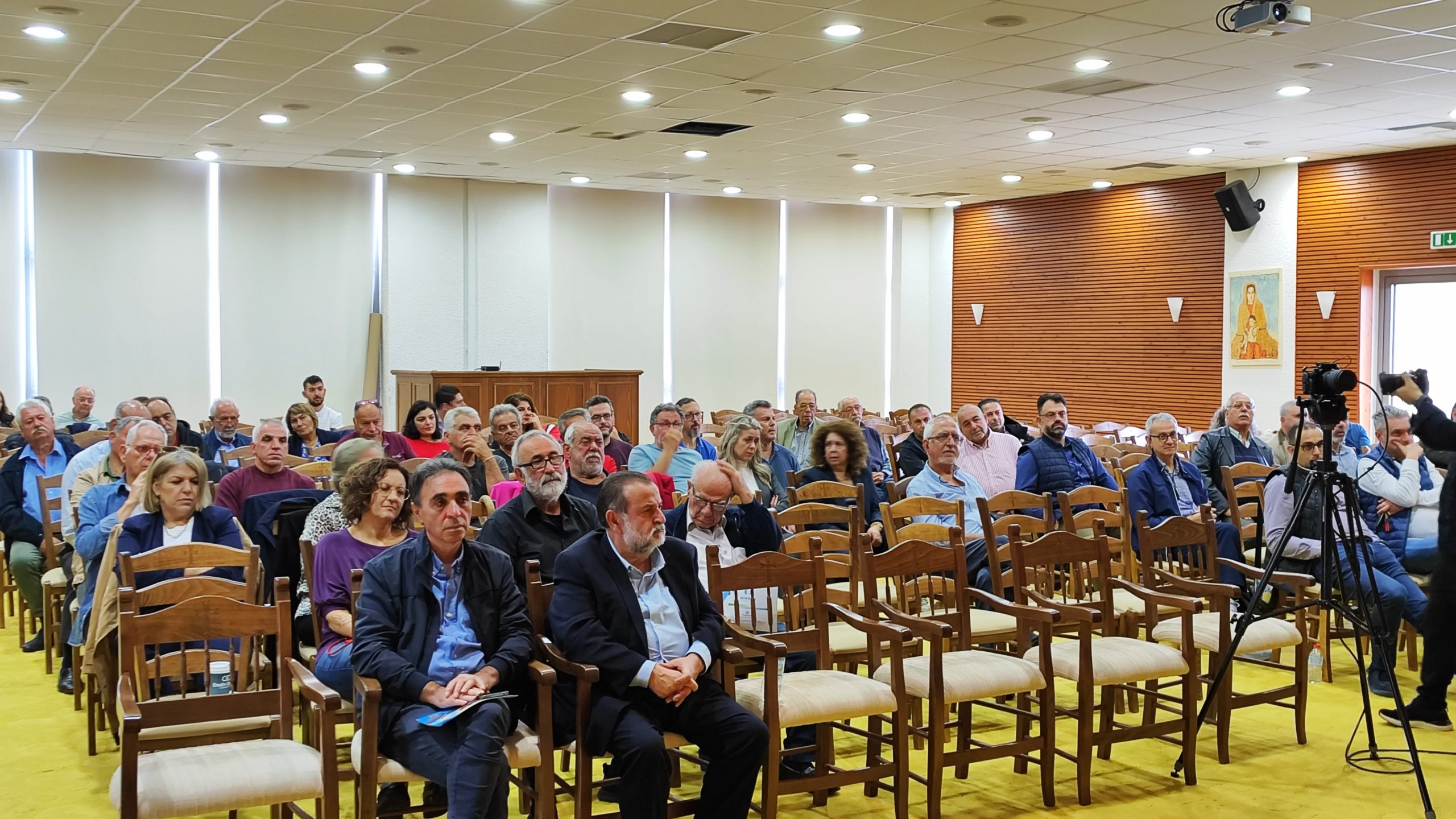
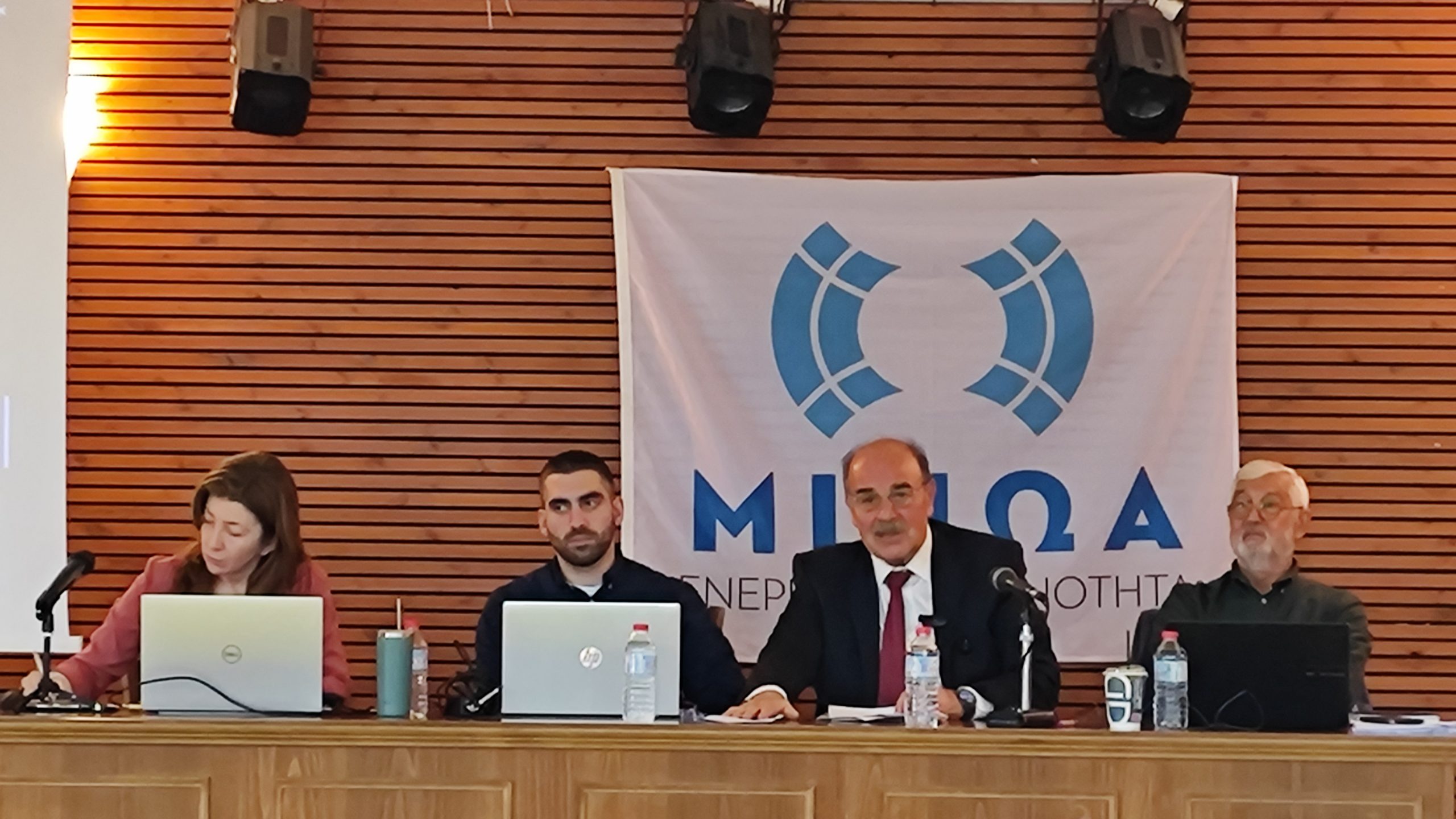
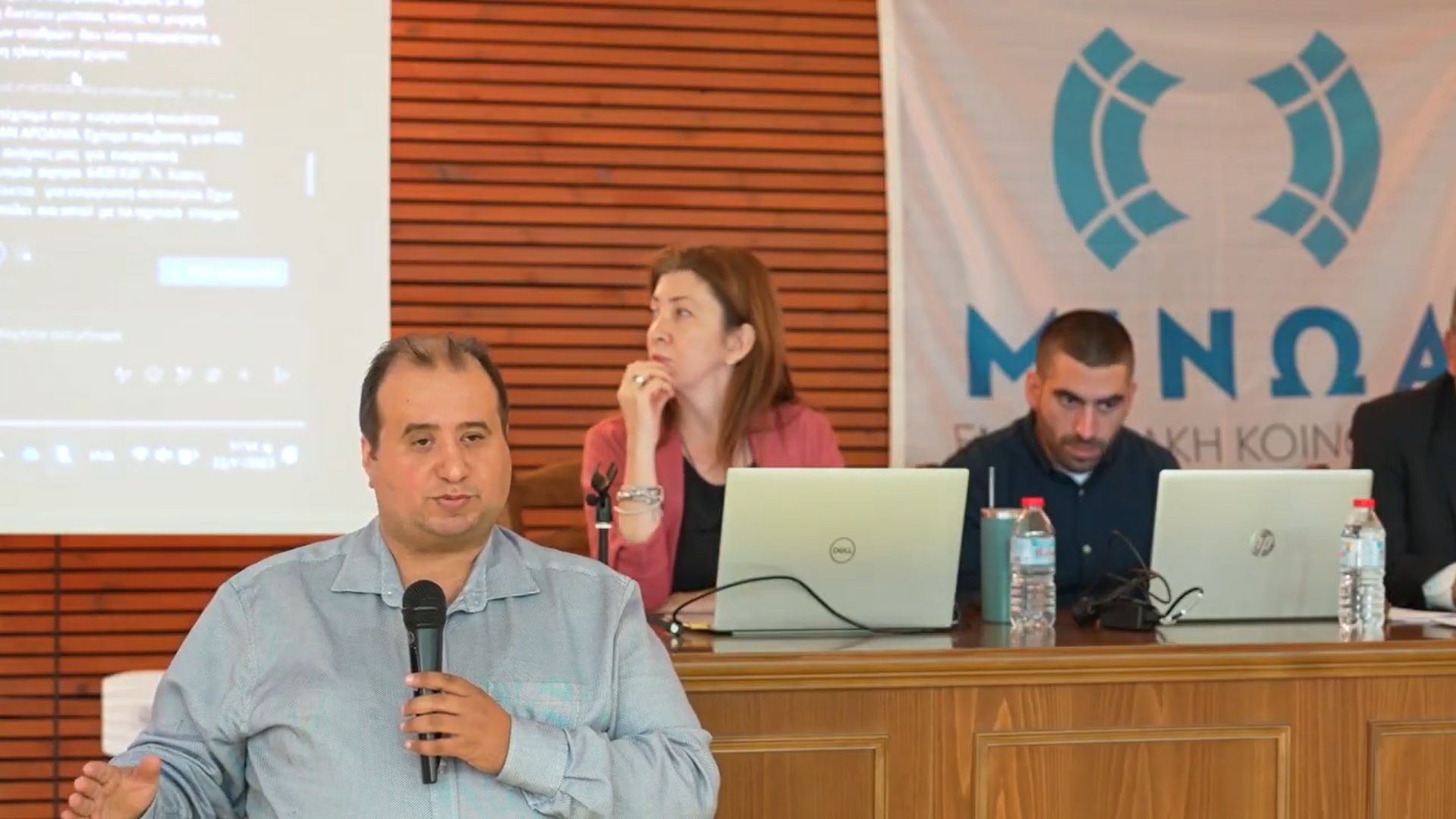
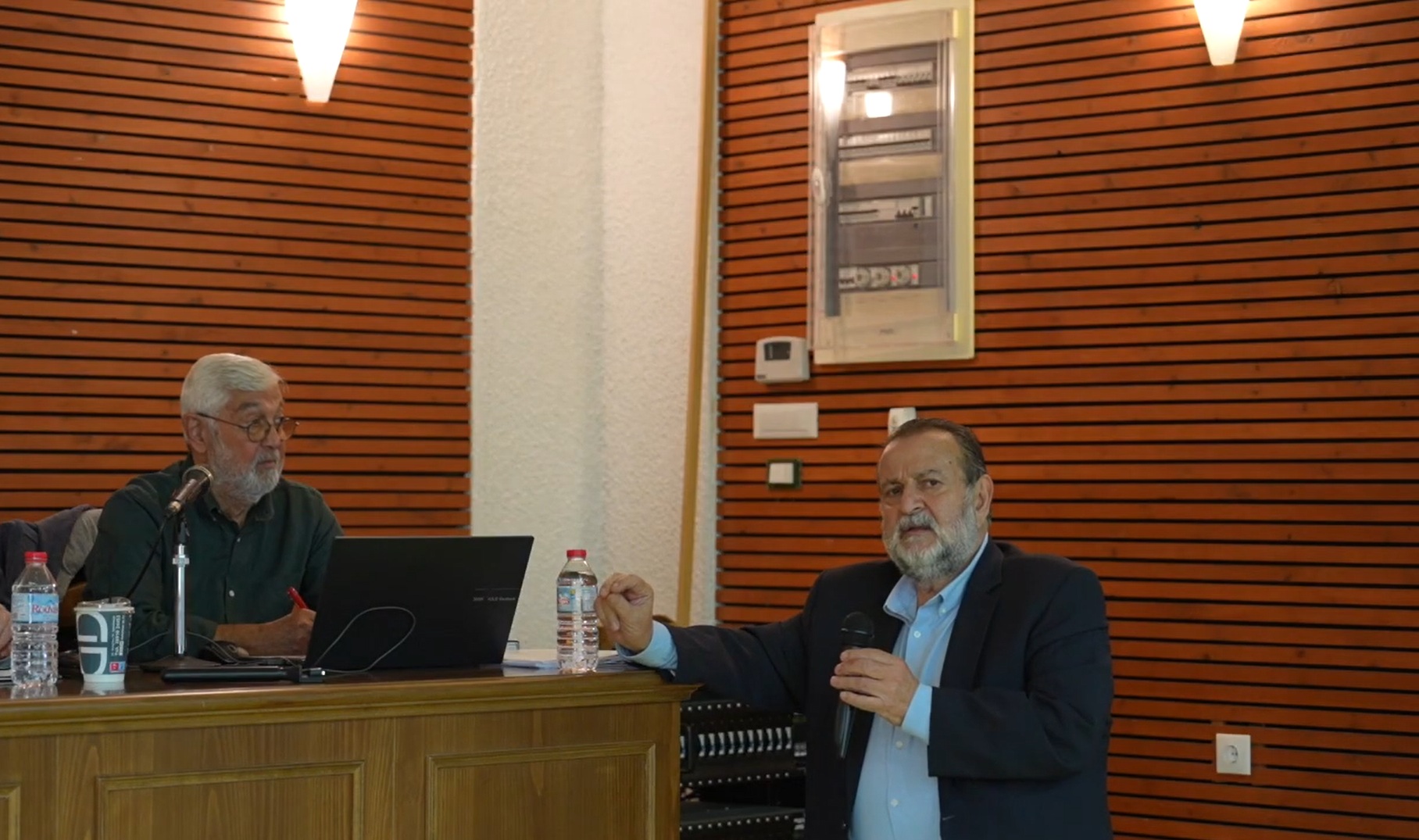
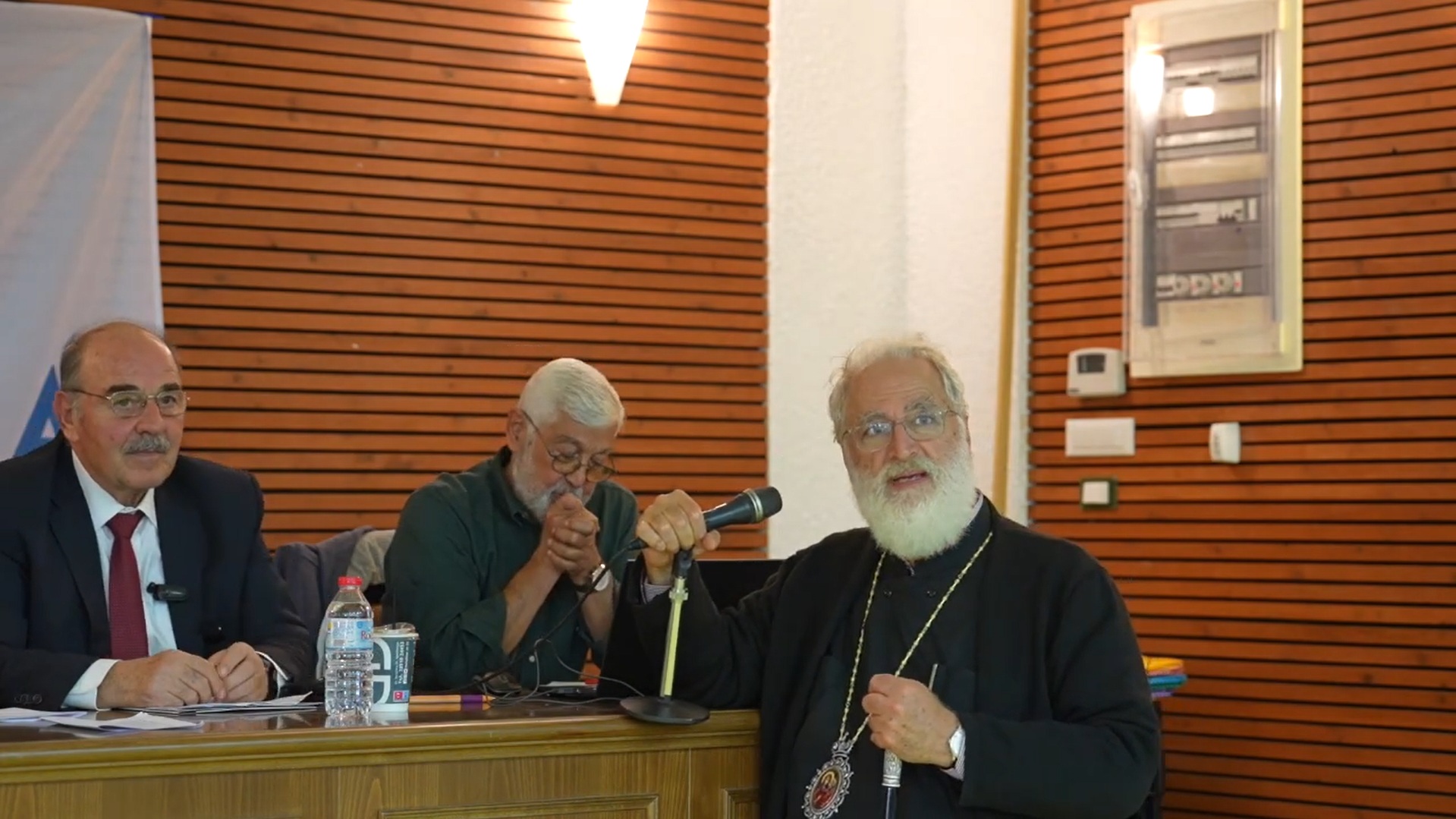
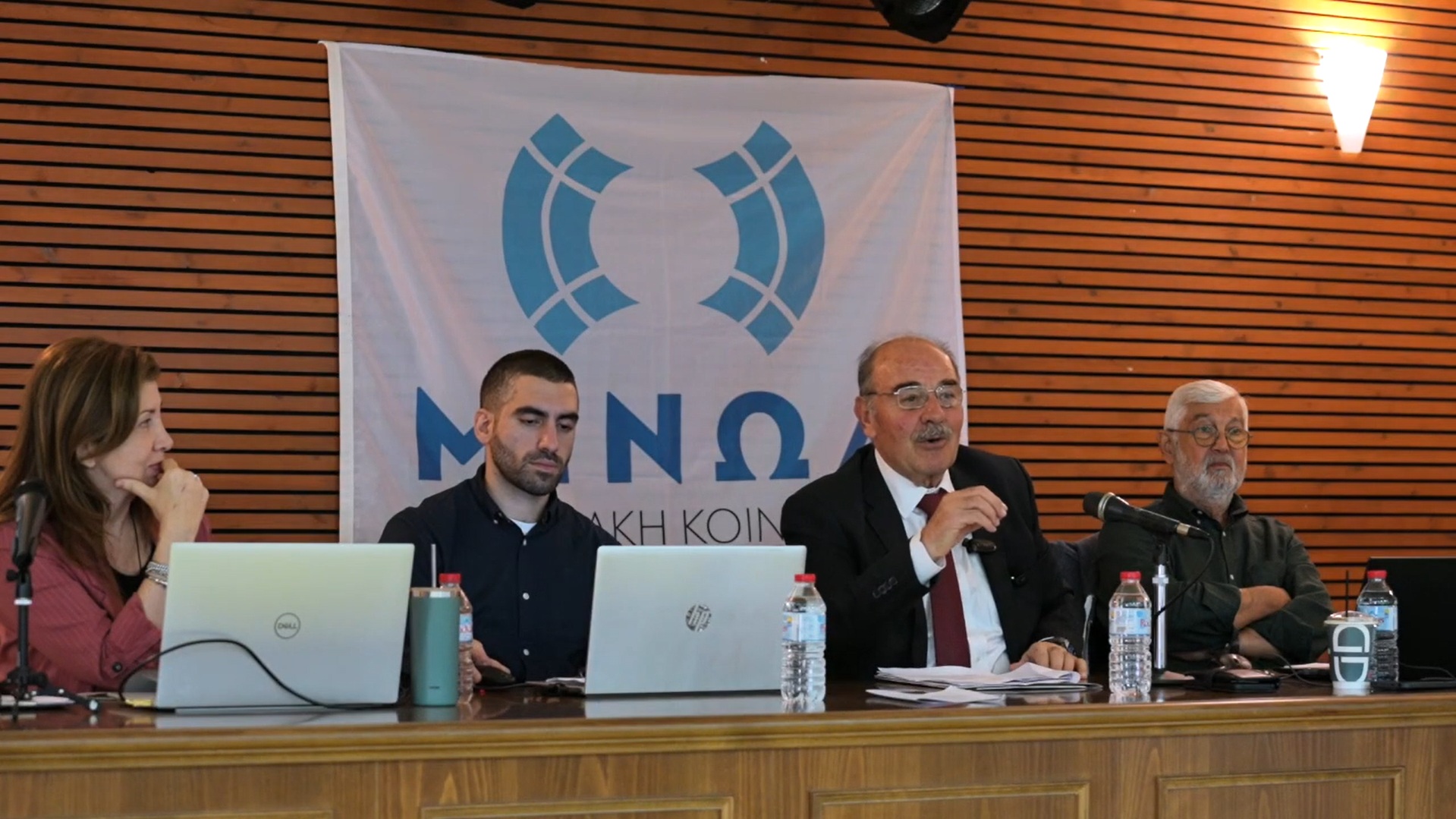
On Sunday, 23 November, the General Assemblies of Minoan Energy and its subsidiaries Aiolos, Phoebus, and Aroania were held at the welcoming venue of the Cultural Center of the Holy Metropolis of Arkalochori, Kastelli and Viannos, in Arkalochori.

Members who attended in person, as well as those who joined online, had the opportunity to be briefed by the President, Mr. Giannopoulos, on current Community matters, the progress of ongoing projects, and the long‑term strategy that Minoan Energy will follow.

Mr. Giannopoulos began his address by referring to the energy net‑metering projects implemented by Minoan’s Communities, with a total capacity of 3.5 MW. He emphasized that although this number is clearly below the Community’s true potential, it remains a significant achievement given the challenges faced by Energy Communities in Greece. Notably, while nearly 90% of Minoan’s members are based in Crete, most projects—both in number and capacity—are located outside Crete due to the well‑known issue of limited electrical capacity on the island, a matter repeatedly highlighted by our Community.

He then presented an overview of the European projects in which the Community participates, stressing both the legislative difficulties and the benefits for local society, participating municipalities, and specific social groups such as large families and energy‑vulnerable households.

“We have created knowledge, networks, experience, and capabilities—and we have laid the foundations for the future,” he noted.

He continued: “There are enormous deficiencies in the system, and our country is on the wrong side of history. While Europe passionately supports self‑producers, Energy Communities, and Energy Democracy, in Greece we face indifference, reluctance, and downgrading. The result? Bureaucratic obstacles, confusion, and financial traps. The only real way to reduce energy costs and avoid the deception of colored tariffs is self‑production. But since 70% of the population lives in cities and cannot install production units on rooftops, Energy Communities remain the only solution—and the most economical and flexible way for citizens to access the energy they need. What we ask is simple: not to be obstructed, not to be deprived of the ability to implement the projects we are capable of delivering ourselves.”

Regarding the current context, he stressed that we are in a favorable phase: technology is mature and accessible, European funds are available, programs supporting self‑production are being designed (albeit slowly in Greece), social demand is rising, and the climate crisis makes action imperative. On the other hand, the national framework remains hesitant, bureaucratic barriers are increasing, profits are concentrated among a few powerful players, and citizens are being excluded.

He emphasized that Energy Communities are the only mechanism capable of countering speculation, freeing the energy landscape, and transferring benefits to citizens—who deserve them and must be informed and empowered to claim them.

He defined the Community’s short‑term goal as energy autonomy—the ability to manage different energy systems using our technical expertise, enabling an entire settlement to become autonomous. This is the only way to reduce dependence on large private interests and shifting government policies.

👉 Short‑term expectations
🔸 Continuation of an unfavorable legislative framework
🔸 Increasing difficulties for Energy Communities
🔸 Pressure toward production centralization
🔸 Strengthening autonomy‑oriented projects
🔸 Intensification of European programs
🔸 New collaborations with municipalities and the Region
🔸 Citizen training, especially farmers

👉 Medium‑term expectations
🔸 EU pressure forcing Greece to amend its legislative framework
🔸 New energy and economic crises accelerating reforms
🔸 More affordable storage technologies enabling autonomous homes

👉 Long‑term goals
🔸 Thousands of energy‑autonomous homes
🔸 Dozens of energy‑autonomous municipalities
🔸 Hundreds of resilient, socially supportive Energy Communities

👉 Strategic pillars
🔸 Energy autonomy through integrated systems
🔸 Building energy upgrades
🔸 Real‑time smart energy management
🔸 Technical support
🔸 Citizen education
🔸 Utilization of European funds
🔸 Pursuit of partnerships
🔸 Knowledge transfer
🔸 Social organization

👉 He concluded by contrasting Minoan Energy’s values with prevailing market trends:
🔸 When others seek profit, we speak of social solidarity.
🔸 When others promote centralization, we fight for decentralization.
🔸 When others pursue exploitation, we work for fair utilization.
🔸 When others defend the privileges of the few, we defend the rights of the many.

“Many believe that the role of Energy Communities is simply to provide free electricity to their members. But that is merely the outcome of a well‑functioning Energy Community. In reality, Energy Communities do much more—above all, they activate citizens to believe they can solve serious problems.”

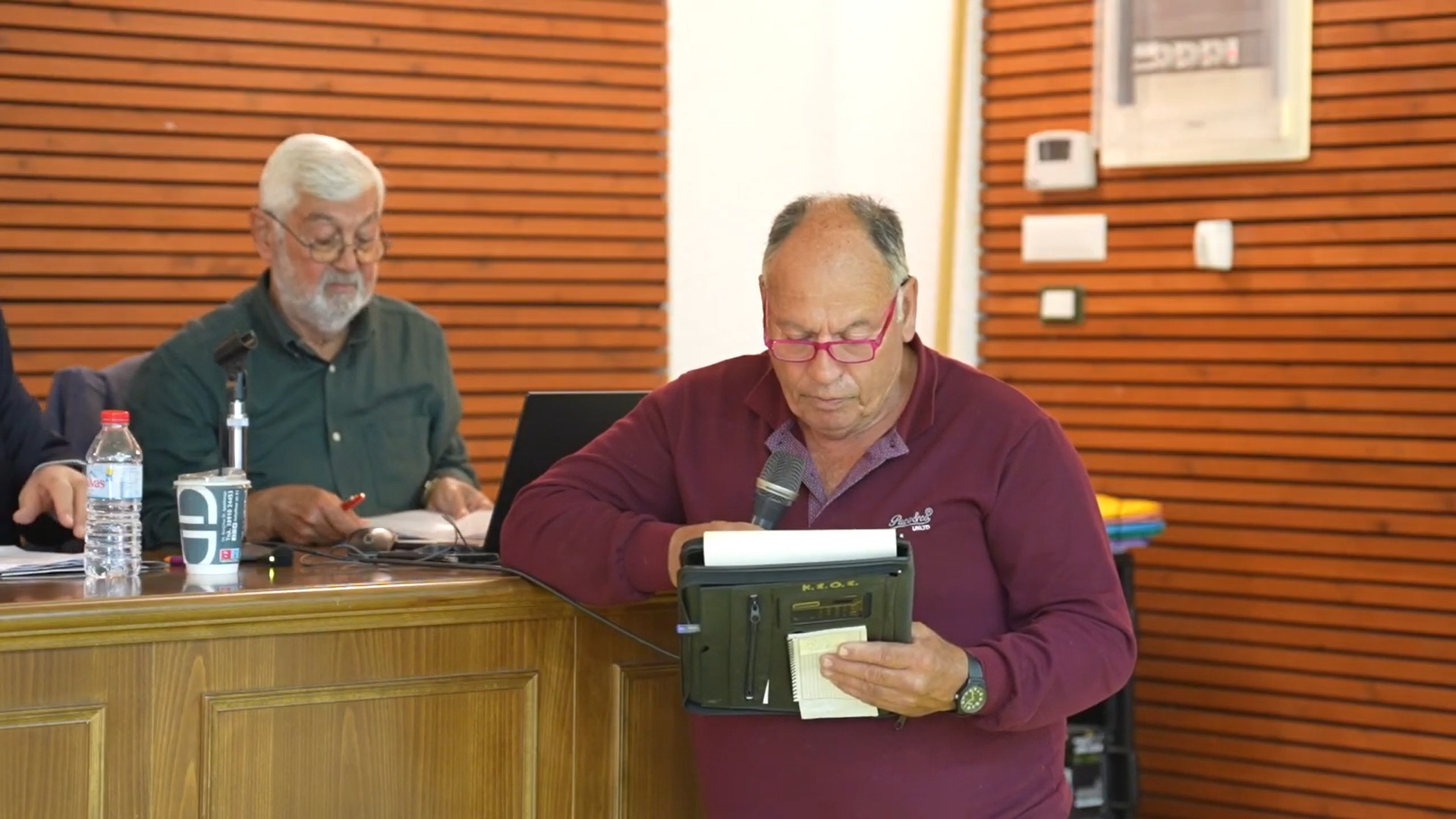
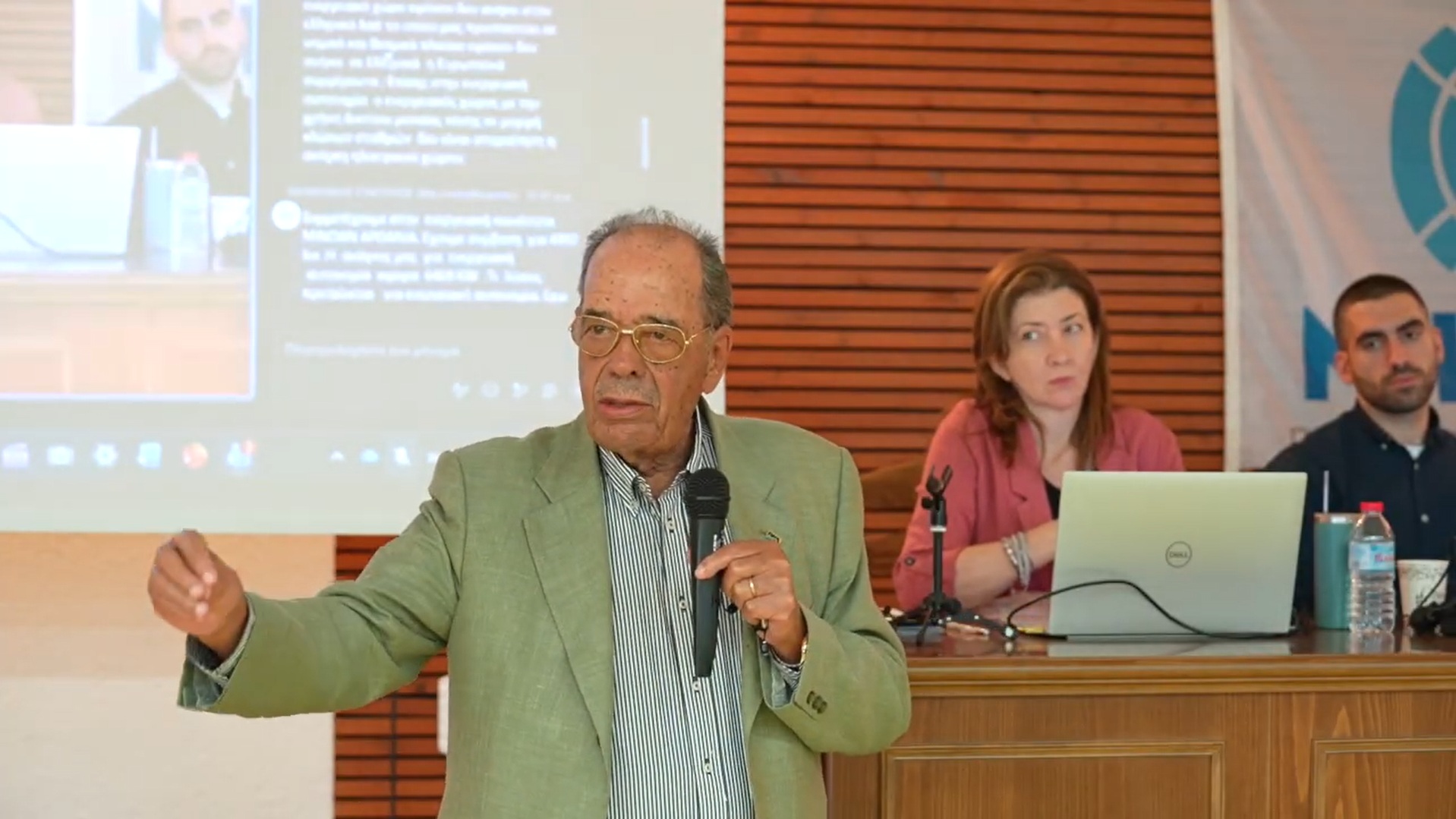
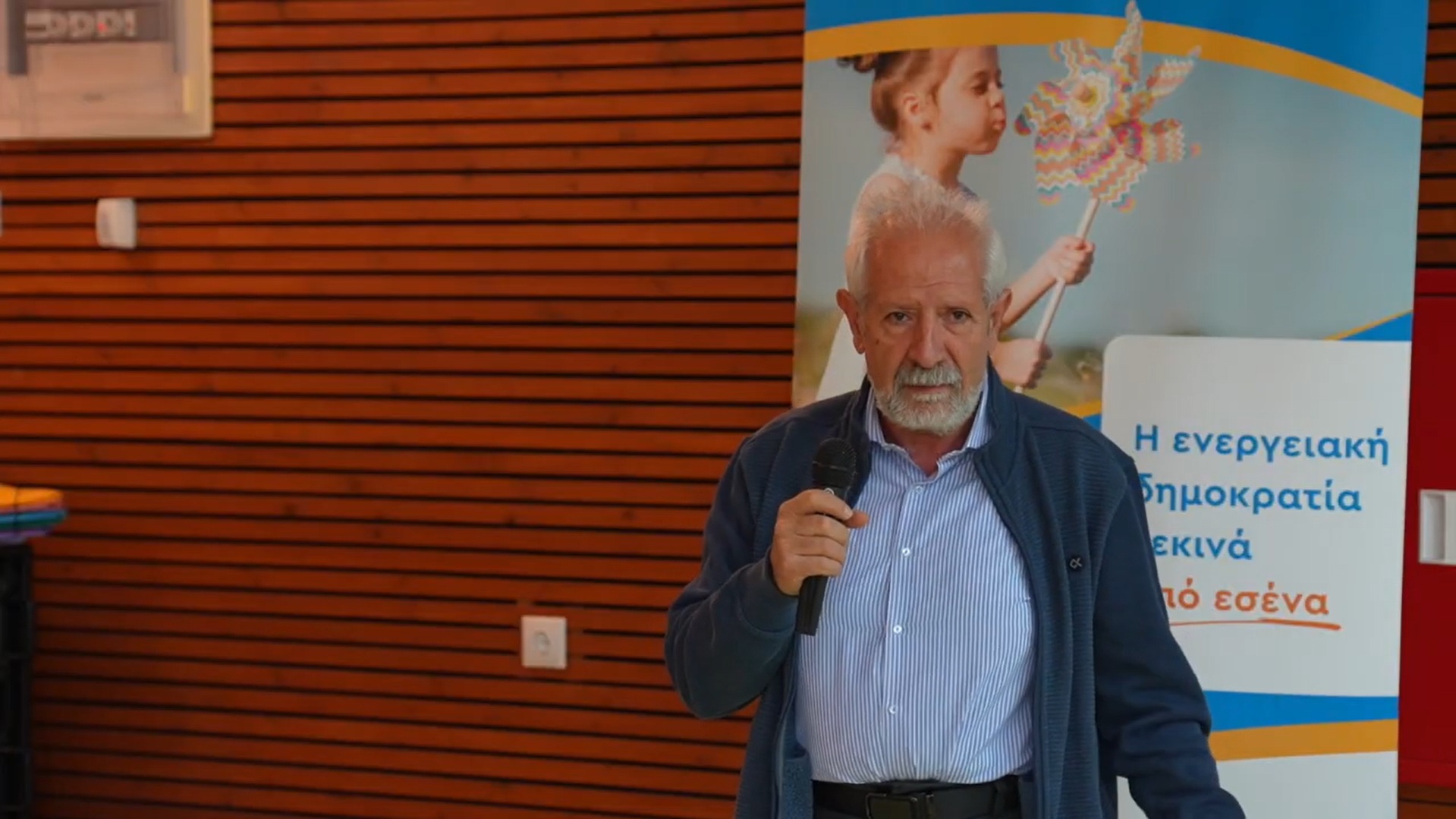
During the Assembly, many members took the floor, including the Metropolitan of Arkalochori, Kastelli and Viannos, Mr. Andreas, and the Mayor of Minoa Pediadas, Mr. Kegeroglou. The former spoke of the “service” offered by Minoan Energy, while the latter proposed a new collaboration for the development of a pilot autonomous energy system for water pumping. The session concluded with the presentation of the financial reports of Minoan’s Energy Communities, followed by the vote approving them and discharging the Boards of Directors for the 2024 management year.

👉 The related video is available on Minoan Energy’s YouTube channel: https://www.youtube.com/watch?v=mkbZI2-A8Cc

The two‑year CITIZEMP project aims to develop citizens’ green knowledge and skills, essential for implementing initiatives aligned with the New European Bauhaus (NEB) vision.

The New European Bauhaus is an environmental, cultural, and social initiative launched by the European Commission in 2020. Its goal is to transform the European Green Deal into a lived experience that touches citizens’ everyday lives, by combining sustainability, aesthetics, and social inclusion.

The project’s kick‑off meeting took place on 16–17 October in Cyprus. During the meeting, Minoan Energy and six additional partners from Greece, Cyprus, and Bulgaria agreed to work together to create the conditions for exchanging knowledge, experiences, and best practices that will support the sustainable development of local communities.

More specifically, the CITIZEMP project addresses critical gaps identified through research and feedback from stakeholders.

The project aims:

  • To addressing municipalities’ limited knowledge regarding community energy initiatives.
  • To creating platforms for the exchange of knowledge and experiences with practical application.
  • To strengthening trust through transparent participation and inclusion of citizens.
  • To developing tailored approaches for each local community.
  • To implementing specialized citizen‑participation methodologies.

The beneficiaries of the project include:

  • Local communities & citizens
  • Local government personnel
  • Decision‑makers in the field of energy efficiency & management
  • Educators & adult‑education staff
  • Environmental activists & NGOs
  • Young people
  • Vulnerable groups

The successful implementation of the project is of critical importance, as local communities face the immediate challenge of the energy transition without having the necessary tools and knowledge. Minoan Energy will contribute with all its capacities toward this direction.

👉  More information can be found on the project’s website here

en_GBEnglish (UK)