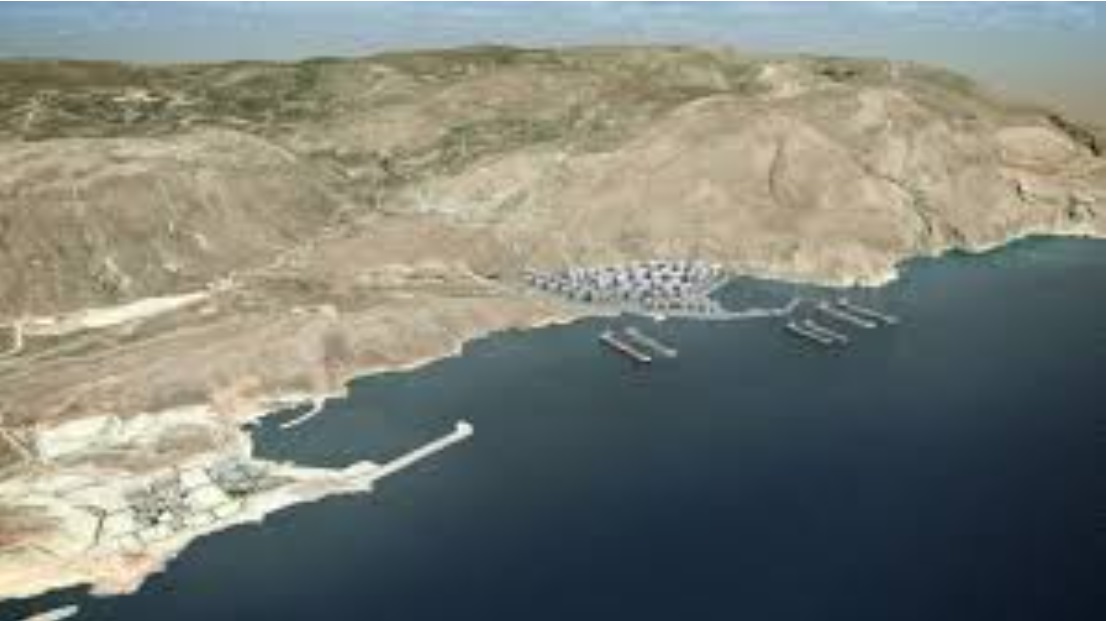
In Atherinolakkos, the green‑hydrogen valley being developed by EUNICE will have the capacity to produce 300–500 tons of hydrogen annually, using electricity from a nearby dedicated photovoltaic plant. The hydrogen produced will increase the available energy and meet the island’s heightened energy demand during the summer period. The surplus energy will enable the development of storage systems, contributing to the reduction of dependence on oil.
A critical factor for the viability of a green‑hydrogen production facility is increasing the system’s capacity factor. This can be achieved by extending full‑load operating hours, thereby reducing investment costs. At the same time, increasing the use of green hydrogen on the island of Crete will enhance energy security, smooth out mismatches between energy production and consumption caused by high seasonal demand, and help reduce carbon‑dioxide emissions. To achieve all of the above, a stable demand from end users must be ensured.
In this context, the project aims to increase the demand for the green hydrogen produced in Atherinolakkos. One of the actions supporting this goal is the use of hydrogen fuel‑cell buses, which also demonstrates the importance of hydrogen in the transport sector. Hydrogen will also be used for combined heat and power generation for the nearby villages. Finally, part of the generated electricity will be used to supply five electric‑vehicle chargers, which will additionally be able to feed energy back into the distribution system when the vehicles are not in use.
The above actions are expected to demonstrate in practice the advantages of green hydrogen as a fuel in all energy‑demanding activities, thus contributing to its wider adoption by the island’s residents.
 English (UK)
  Ελληνικά