
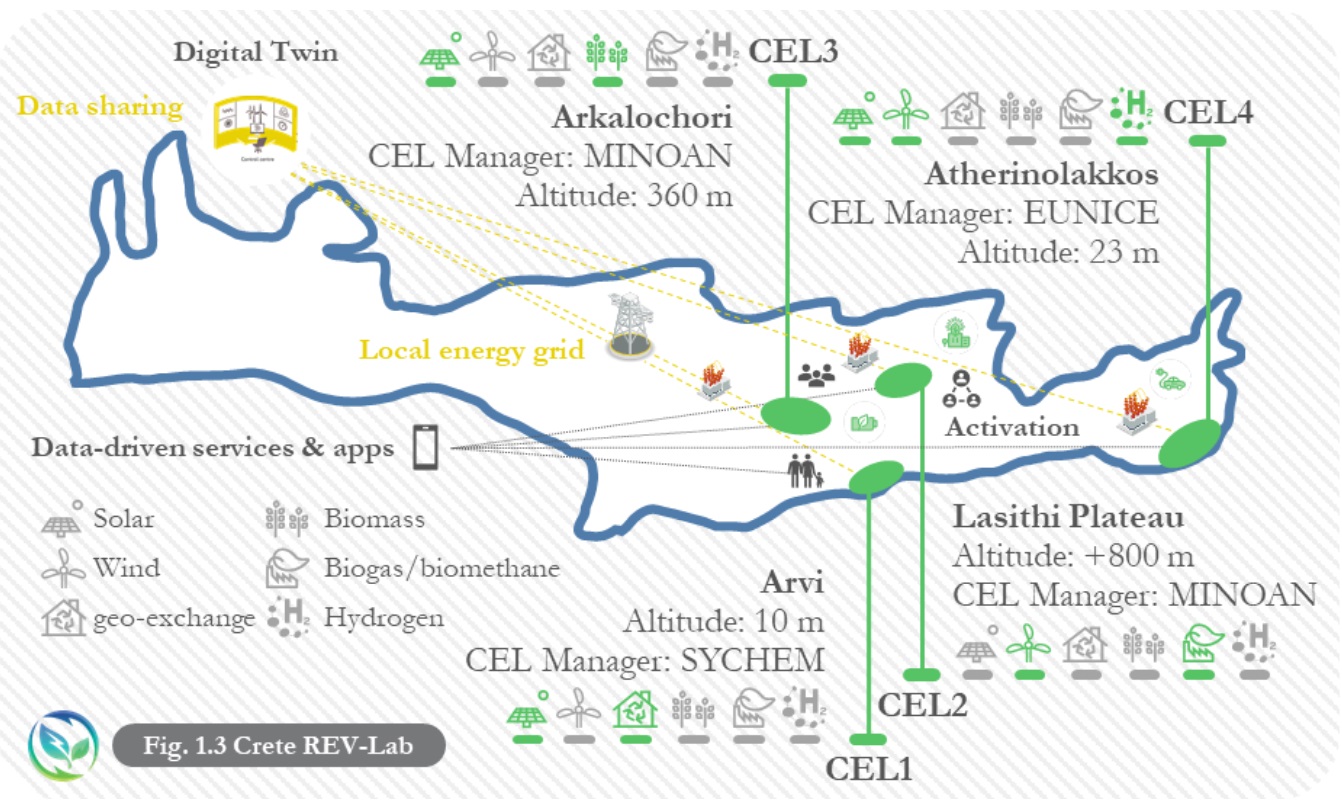
Crete is the fifth largest island in the Mediterranean, both in terms of area and population. Given its pronounced morphology, it forms a mosaic of distinct geographical units with significantly different climatic conditions and, consequently, energy needs. At the same time, it combines high wind potential—especially along its mountain ridges—with high solar radiation, as is typically the case for all Aegean islands.
Thanks to its large size, Crete also has substantial biomass resources, originating both from agricultural and livestock activities and from urban organic waste. It has been estimated that by exploiting these biomass resources, the annual heat produced could be 2.4 times higher than the heat currently generated from oil for indoor space heating in Crete on a yearly basis
At the same time, the proximity of all coastal settlements to the sea—where most tourist activities take place—creates increased energy demands, a fact that favors the installation of open‑loop geothermal systems, especially for indoor cooling.
Thus, an effective and rational energy transition in Crete, aiming at achieving full energy independence, should be based on the development of a cluster of energy projects owned by local communities (community energy) and utilizing multiple renewable energy sources (solar and wind energy, geothermal energy, biomass, biogas, hydrogen).
Given its size, its high energy demands, and the different climatic conditions prevailing in coastal, mountainous, and lowland areas, Crete is considered an ideal setting for implementing innovative energy‑transition initiatives, such as the Renewable Energy Valley that will be developed within the framework of the “Crete Valley” project.
The aim of the project is to increase the production of green energy, diversify the energy supply, and reduce dependence on fossil fuels, thus contributing to the island’s green transition. The energy valley to be developed within “Crete Valley” can be seen as a decentralized system of renewable‑energy projects that will help Crete achieve greater energy autonomy, a more secure supply, and lower energy costs.
Beyond the core energy‑production and energy‑saving projects, the Cretan Renewable Energy Valley will seamlessly integrate innovative Information and Communication Technology systems, open digital solutions, social‑innovation processes, and robust business models.
A key feature of the project is the emphasis it places on the participation of the local population. The project considers that local communities should actively engage in energy‑transition initiatives, as a means of achieving both energy independence and energy democracy.
The project consortium consists of 41 partners from across Europe, coordinated by the Institute of Communication and Computer Systems of the National Technical University of Athens (ICCS). Minoan Energy, as a key beneficiary of the project, participates in the implementation of four community energy laboratories located in four different areas of Crete: Arvi, the Lasithi Plateau, Arkalochori, and Atherinolakkos. Each region utilizes a different mix of renewable energy sources (solar, wind, geothermal, biomass, biogas/biomethane, and hydrogen), depending on its specific geographical and climatic conditions, to meet its annual energy needs. The local communities that will benefit from the production and storage of the generated electrical and thermal energy will include approximately 150 commercial and industrial facilities and 175 households.
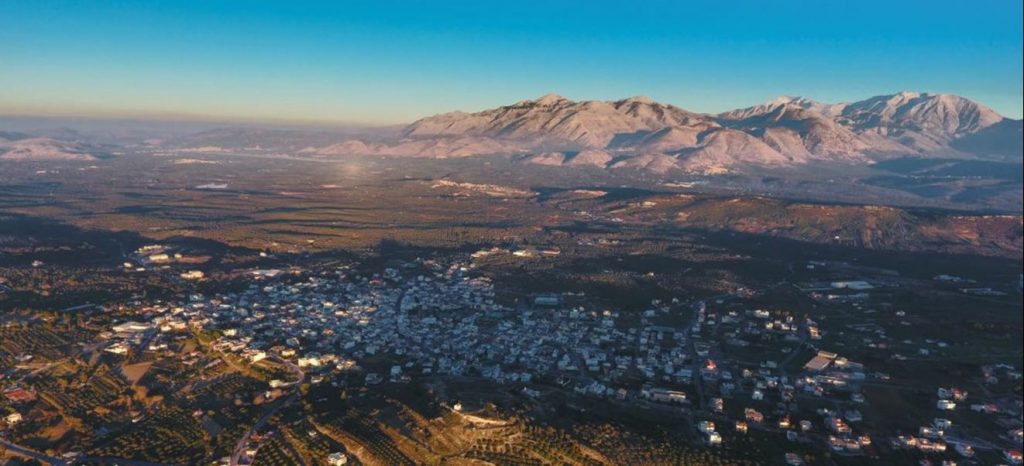
Projects in Arkalochori
The Municipality of Minoa Pediada is a lowland–semi‑mountainous municipality located in the center of the Heraklion Regional Unit. It is one of Crete’s most important agro‑urban areas, with numerous economic, social, and cultural activities. Arkalochori is the main urban center of the municipality, with a population of 5,000 permanent residents. The town offers all modern public and […]
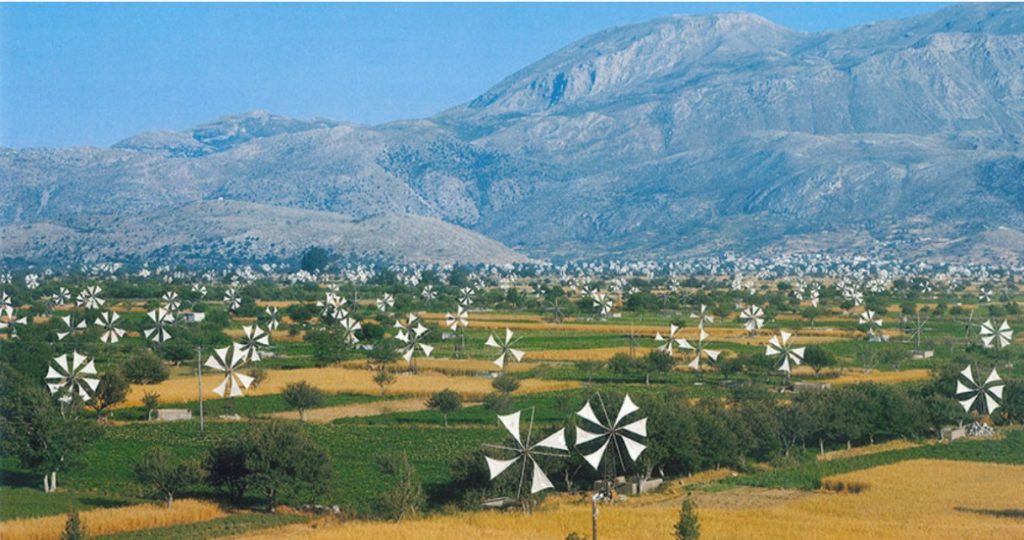
Projects in the Lasithi Plateau
The Lasithi Plateau is one of Crete’s most distinctive landmarks, well‑known throughout the country, with significant historical, agricultural, economic, climatic, and folkloric importance. It is located in the mainland area of the Lasithi Regional Unit, in the middle of the Dikti mountain range, at an altitude of over 800 meters. Due to its mountainous location, the region is characterized by a cold climate, […]
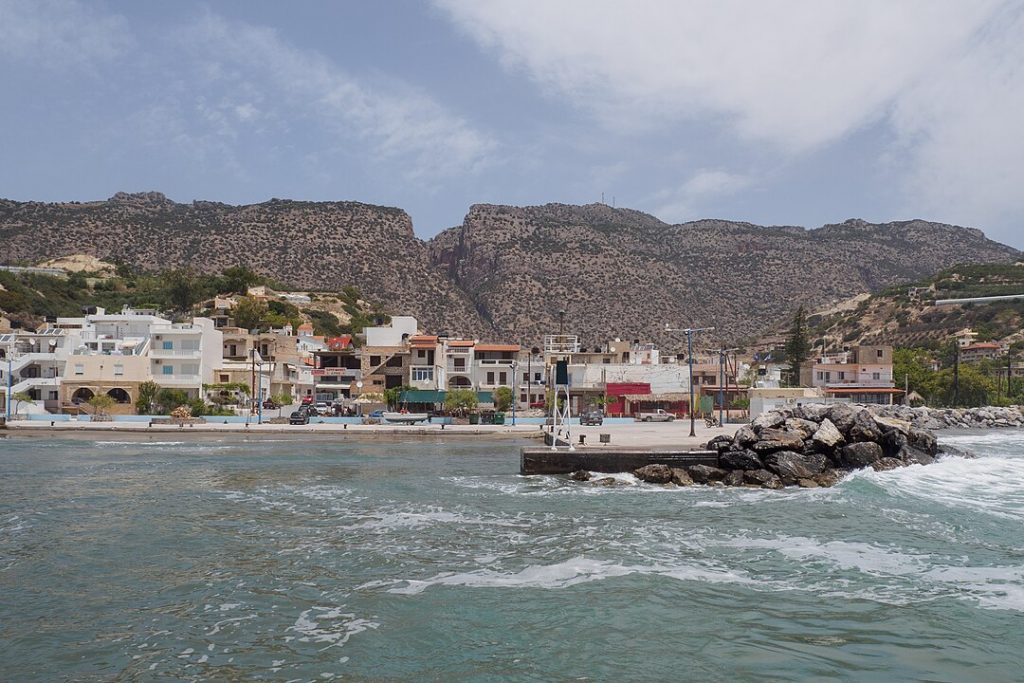
Projects in Arvi
The area of Arvi is located on the southern coast of Crete, in the eastern part of the Heraklion Regional Unit. It is characterized by its warm climate, mainly because it is surrounded to the north by high mountains that act as windbreaks against the cold or cool northern winds. Combined with its coastal location, these features create a sheltered valley with a southern […]
Projects in Atherinolakkos
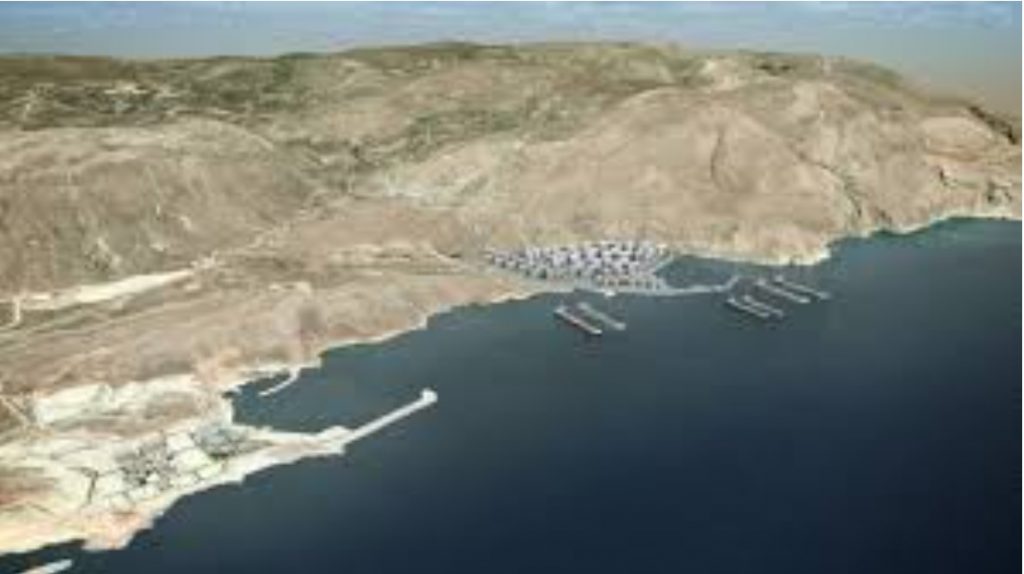
In Atherinolakkos, the green‑hydrogen valley being developed by the company EUNICE will have the capacity to produce 300–500 tons of hydrogen annually, using electricity from a nearby dedicated photovoltaic plant. The hydrogen produced will increase the available energy supply and meet the island’s heightened energy demand during the summer period. The surplus energy will […]
 English (UK)
  Ελληνικά